|

More Facts About Knees:
Babies are born without knee caps. They appear when the child reaches 2-6 years of age.
The knee is the largest articular joint in the body.
Each knee has two tough, rubbery menisci that act as shock absorbers in the joint.
One meniscus sits on the inside of the knee joint and is referred to as the medial meniscus. The other meniscus rests on the outer part and is referred to as the lateral meniscus.
Arthritis is one of the most common causes of knee bursitis.
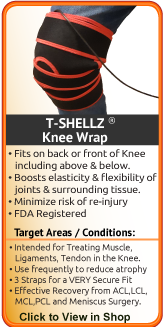
Many of our customers have had excellent results with Knee TShellz Wrap® for bursitis in the knee.
Runner's knee is not exactly a condition in itself. It sums up a multitude of knee disorders with different causes all centering around the kneecap.
Obesity and improper body alignment are responsible for many knee injuries.
Optimal knee treatment includes avoiding activity, icing the inflammation, gently stretching and warming the area.
Increased blood flow can speed ACL, PCL and meniscus recovery significantly.
| What Causes Osteoarthritis In The Knee?
Arthritis is your knee's biggest enemy, and it can result over time from injury or disease. Osteoarthritis in the knee is the most common type, and there are a number of causes that influence your risk of developing it. These can be broken down into 2 types: primary osteoarthritis and secondary osteoarthritis.
Primary Osteoarthritis of the Knee
This is a slow, progressive arthritis condition that usually begins after 40 years of age. It mainly affects weight-bearing joints (like knees and hips) as a result of excessive loads placed on normal joint tissues, or reasonable loads applied on inferior joint tissues. The exact cause is not determined however it is believed to be affected by:
 - Family history and/or genetics - The occurance of osteoarthritis in several members of the same family suggests there is a genetic link in type of arthritis
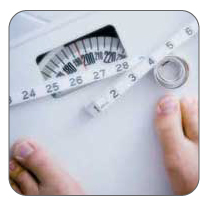
- Obesity - Excess weight on the knee joint increases the stress load that the cartilage in the knees must withstand. This can cause damage and inflammation in the joint to occur. According to the 2002 National Health Interview Survey, obese adults are up to 4 times more likely to develop knee osteoarthritis than normal weight adults; approximately 66% of adults with arthritis are overweight.
- Aging - As the water in cartilage increases with age it changes the protein makeup making the cartilage more prone to damage, irritation and inflammation.
- Wear and tear - As your knee joint experiences wear and tear there is a release of destructive enzymes which break down the cartilage to the point where the bones of the knee joint rub together and develop sclerosis (a hardening of tissue) as well as tiny fractures, cysts and bone spurs.
- Gender - Males are at greatest risk of experiencing the affects of Osteoarthritis before the age of 45, however, by the age of 55, the number of women sufferers surpasses men.
- Lack of activity - Without exercise or activity, muscles weaken and you begin to lack the proper muscle support. This can cause excess load on the knees and hips or your weight may be distributed unevenly within your knee joint causing damage to occur.
Secondary Osteoarthritis of the Knee
This type of arthritis often appears before 40 years of age. It is the result of a clearly defined cause, such as:
- Acute trauma from a knee injury, loose joints, or joint surgery (bone injury or fracture, ligament, tendon, meniscus or synovial tissue damage), especially if it never healed properly. Osteochondritis dissecans results in fragments of loose cartilage in the joint, and often leads to osteoarthritis.
- Repetitive stress movements or strains that result in excessive bending, excessive walking, or overuse of your knee joint at work or play.
- Blood disorders or joint infections (such as gout or septic arthritis).
- Metabolic imbalances resulting from increased levels of uric acid, calcium deposits, or ongoing use of medications.
- Hormone disturbances as a result of diabetes or growth hormone disorders that affect cartilage wear. Menopause often increases the progression of osteoarthritis of the knee.
- Poor bone alignment or posture (your joints don't line up properly) can result in Chondromalacia patellae (Patella femoral syndrome and Runner's knee), which involves degeneration of the cartilage on the back of the knee cap. Women are more prone to this condition as they tend to have wider hips than men, which creates a wider angle at their knee. This can affect tracking of their knee cap and cause imbalanced weight on their joint, which can pose problems with instability, dislocation or pain (like a tire that is out of alignment, the treads will wear out on one side of the tire). You can often look at your shoe treads to see if one side of your heal is worn out more than the other to determine if you have alignment issues.
Progression of Osteoarthritis
Osteoarthritis can be classified into 5 stages of severity:
- Grade 0 - Normal, no loss of cartilage or damage
- Grade 1 - Chondromalacia involves early onset of osteoarthritis; softening of cartilage, joint surface stress, and fluid filling the joint cavity. As the condition progresses your knee gets inflamed and swollen, but there is no major joint surface damage at this point.
- Grade 2 - Fissuring, tearing or cracking of joint cartilage; this damage often goes unnoticed.
- Grade 3 - Fibrillation indicates later onset of osteoarthritis; very torn and worn appearance, damaged cartilage covering bone (bone is still in tact). Your damaged joint surface breaks into loose pieces which release enzymes that aid in destructing your joint surface. Up until now minor surgery can help your cartilage to heal.
- Grade 4 - Exposure and damage of underlying bone; healing without surgery is low.
Product Advisors are available 9:00 am to 5:00 pm Eastern Standard Time Monday to Friday.
Learn More About Knee Injuries & TreatmentsI want to learn more about post-surgery recovery. I want to learn all about common causes of knee pain. I want to learn more about TShellz Wrap® Circulatory Boost I want to learn more about Ice & Heat: Which Is Better For Treatment? I want to learn more about Knee Treatments. I want to learn more about Runners Knee. I want to learn more about Hoffas Syndrome. I want to learn more about Knee Arthritis. I want to learn more about Knee Trigger Points.
FREE SHIPPING ON ALL PRODUCTS CURRENTLY ENABLED
60 DAY TRIAL PERIOD
During your recovery, you will probably have to modify and/or eliminate any activities that cause pain or discomfort at the location of your soft tissue injury until the pain and inflammation settle. The more diligent you are with your treatment and rehabilitation, the faster you will see successful results!
|
Some Facts About Knees:
Approximately 19.4 million visits to physicians' offices in the US per year are due to knee problems.
The knee is a complex joint with many components, making it vulnerable to a variety of injuries.
Oral medications can mask the pain but do not aid in the healing of knee injuries.
Most knee injuries can be successfully treated without surgery.
Sadly, regardless of treatment, ACL injuries in high-school youths are associated with a 10-fold increased risk for degenerative knee arthritis later in life.
MendmyKnee (a division of MendMeShop) is an FDA registered company.
Every year, at least 1 in 3000 Americans between ages 14 and 55 tear an anterior cruciate ligament (ACL).

|