  | Medial Collateral Ligament (MCL) InjuryMCL Injury SymptomsIf you have an MCL injury your symptoms will probably include pain and swelling directly over the ligament, with pain increasing when you try standing or moving the knee. Bruising will often appear 1-2 days following when the injury occurs. More serious tears or ruptures of the MCL ligament may also make the knee feel unstable or loose. Sufferers of an MCL stretch or minor tear will experience mild tenderness with little swelling on the outside of the knee. More severe tears or ruptures result in obvious pain along the outside of the knee. MCL Injury Causes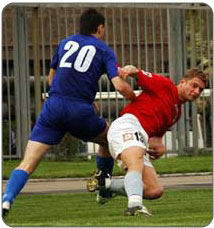 An injury to the medial collateral ligament occurs when there is a stretch, partial tear, or complete tear (rupture) to the ligament. A blow to the outside of the knee during any number of contact sports is usually the cause of this injury. The force to the outside of the knee joint pushes the knee inward resulting in stress being placed on the medial collateral ligament. This overextension causes the stretch or tear. It is also possible that an injury to the MCL will occur in conjunction with injury to other ligaments in the knee depending on the amount of force the knee experiences. If an MCL tear is accompanied by injury to the medial meniscus and ACL, it is referred to as the "unhappy triad". Diagnosing MCL Injuries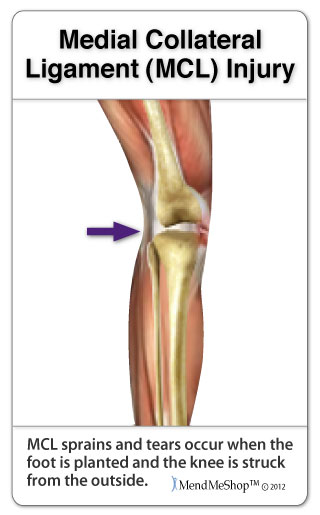 To diagnose an MCL tear and the extent of damage that has occured, your doctor will perform a variety of assessments:
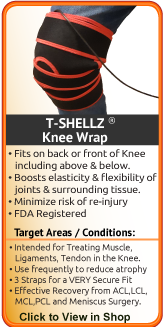
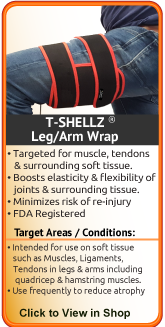
MCL Injury Treatments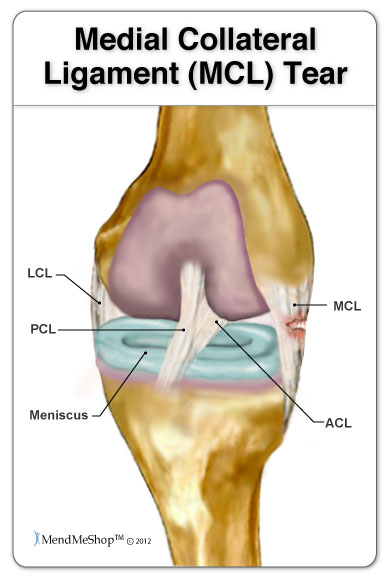 Like most sprains or tears to a ligament, immediate treatment of the MCL injury includes the application of cold compression, rest and elevation of the knee. Treatment differs from case to case depending on the degree of instability in the knee and the patients activity level. Treating an MCL injury with rest, cold, and Circulation Boost will speed healing and improve the function of the knee so you can return to your normal activities quickly. Once the MCL has improved and activities can be resumed, you will first want to build muscle strength around the knee under the guidance of a physical therapist. In cases of a complete rupture of the MCL, reconstruction/reattachment of the MCL will be required. Using these therapies prior to surgery will reduce further damage and improve the health of the surrounding tissue so the surgery will be less invasive. Generally, the more invasive the surgery, the more scar tissue is introduced into the area. Using the following therapies after surgery will control pain and swelling, reduce tissue damage, speed healing and treat the scar tissue resulting from the healing process. You will have a healthier knee with a greater range of motion than if your reconstructed MCL was left untreated. RestResting the injured knee (meaning don't use it at all!) helps prevent the injury from worsening. Not resting a soft tissue injury is dangerous, as this will increase the risk of re-injury and increased swelling - eventually this will become chronic. The quickest (and safest) way to repair damaged soft tissue at home is to rest and incorporate the use of TShellz Knee Wraps at least twice per day . Cold CompressionUsing cold compression immediately following an MCL tear reduces pain and swelling and reduces the tissue damage that occurs with soft tissue injuries like ligament tears. A Cold Compress or Ice Pack allows you to treat yourself in an effective and convenient way following an MCL tear, if re-injury occurs (which is common due to the instability of the knee), or following surgery if it is required. Cold works by interrupting and slowing nerve and tissue function in the damaged area. This is important because once blood vessels are damaged, they can no longer carry oxygenated blood to the damaged MCL so this tissue begins to break-down. Once the inflammation and swelling of an MCL tear has been alleviated, nourishing and strengthening the ligament tissue is recommended. Using Circulation Boost will speed your recovery and heal your ligament more completely preparing it for leg strengthening exercises. Talk to your doctor or physical therapist to find out which exercises are appropriate for your situation. Circulation Boost via Use of the Knee TShellz Wrap®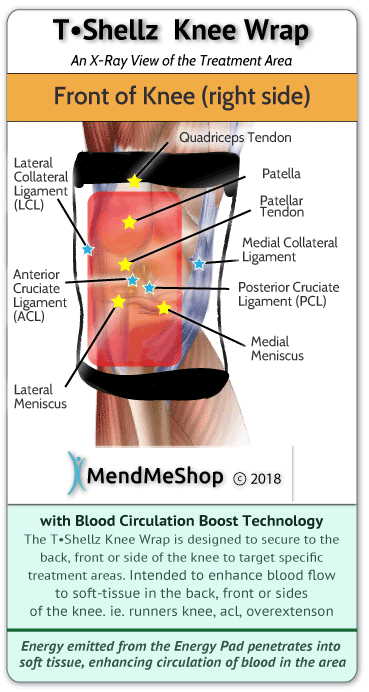 After initial inflammation and swelling is gone you can begin to treat your MCL tear with Circulation Boost, or Circulatory Boost. Circulatory Boost, via use of the TShellz Wrap®, helps increase blood flow in soft tissue. Blood flow transports vital nutrients to injured tissue to promote your body's natural healing process. In addition, the fresh blood flow whisks away dead tissue and toxins that have built up from the injury leaving the area clean and able to heal faster. By treating yourself with Circulation Boost you can increase your body's blood supply to the knee and your body's natural healing power. In addition, the fresh blood flow whisks away dead tissue and toxins that have built up from the injury leaving the area clean and able to heal faster. Our Knee TShellz Wrap® provides effective, non-invasive, non-addictive pain relief and enhanced blood flow with no side effects. Continue the healing process by resting your injury. Limit your movements that may aggravate your strain and lead to reinjury. Tendon / Muscle related injuries can easily turn from a grade 1 strain into a grade 2 or a grade 2 into a grade 3 injury. During your recovery, you will probably have to modify and/or eliminate any activities that cause pain or discomfort in your knee until your pain and inflammation settle. Taking the time to care for your knee properly will have your knee back to normal faster and allow you to get back to the activities you enjoy. The more diligent you are with your treatment and rehabilitation, the faster you will see successful results! Through use of controlling inflammation with cold and treating the injured area with a Knee TShellz Wrap®, you will notice incredible improvement in your knee. Surgery and RecoveryIf an injured ligament does not strengthen appropriately or an athlete continues to experience the knee giving way, arthroscopic surgery and ligament reconstruction may be necessary. 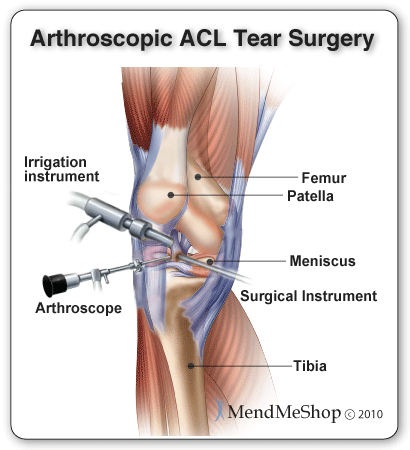 If MCL reconstructive surgery is necessary, remember that proper post-surgery rehabilitation is very important, perhaps even more important than the surgery itself. Activities should set out to promote healing, increase flexibility in the knee and strengthen surrounding muscles. Your physical therapist will probably set up a "passive range of motion" program, and put you in a hinged knee brace for a month or two to prevent hyper-extension or hyper-flexion in the knee. An important point for MCL patients to remember after surgery is that every effort must be made to increase range of motion and flexibility at the knee. Weakness in the knee can usually be eliminated by extra strengthening exercises, but increased stiffness can sometimes be permanent if not corrected by further surgery. Not only will the Knee TShellz Wrap® help reduce the pain and inflammation in your knee, but will help increase the range of motion in your joint, reduce post operative scar tissue and increase flexibility in the surrounding muscles, tendons and ligaments. Ask your physical therapist about these treatments and if it's right for your reconstructed MCL! As with all medical devices, make sure your physician is aware of any treatment plan you decide to take. Post Surgery Scar TissueThe growth of scar tissue and adhesions is a big problem when recovering from most knee surgeries. Scar tissue/adhesions are what cause stiffening in the tendons and muscle, entrapping nerves, restricting movements, and reducing blood flow. Unfortunately, scar tissue does not "just go away". Depending on your activity level, age, and therapy done during your rehabilitation, it may never go away. Scar tissue is a major problem as it will permanently reduce flexibility and vastly increase your risk of re-injury. When dealing with scar tissue it is always important to:
PreventionTo prevent knee injuries it is recommended that you gradually increase the intensity of any exercise or activity when you begin and to be aware of the movement of the knee during activity. No one is immune to an MCL Injury but Using |
      |