 | Symptoms of a meniscus injuryWhat does a torn meniscus feel like?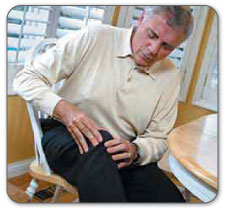 A symptom is an abnormality that you recognize yourself (for example pain or tenderness in your knee). Everyone's experience is different, therefore symptoms are subjective and based on an individual basis. The most common symptom of a torn meniscus is pain; although knee pain can be caused by a number of different injuries or conditions. Other symptoms you may experience with a meniscus tear include:
Pain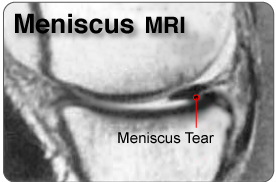 If you experience a meniscus injury, pain can either be gradual or immediate depending on how severely the damage to the meniscus is and/or how quickly it happened. Often you will feel pain and tenderness in your joint, especially when you touch your knee with slight pressure. If you have a tear, you will usually feel a sharp pain along the joint line in the area of your tear (usually the inside or outer part of the knee). Pain in the middle of your knee often indicates a medial meniscus tear. In some cases you may even experience pain throughout your entire knee joint. Pain Worsens With UsePain will become worse when you try to bend, straighten or twist your knee, during or after exercise (especially activities involving deep knee bends) and sometimes even just by putting weight on your knee. Your doctor may recommend that you use a crutch or cane to minimize the load placed on your torn meniscus to alleviate pain and further damage while you are trying to heal. Stiffness and Weakness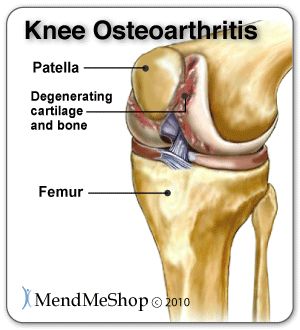 You may find that your range of motion is limited and that you are not able to bend or straighten your knee all the way. You may also experience a buckling or weakness in your knee that happens when a torn meniscus fragment slips out of being lodged between your bones. A reflex relaxation of the thigh muscles creates weakness in your knee joint resulting in poor stability. Degeneration of the JointOnce injured, the meniscus is more susceptible to slowly wearing away with regular knee movements. When this happens more friction occurs against the articular cartilage and this cartilage wears away from the surface of the femur and tibia. With less protective covering, the joint begins to deteriorate. If your knee tissue begins to degenerate you have an increased risk of developing osteoarthritis (degenerative arthritis) over time. Swelling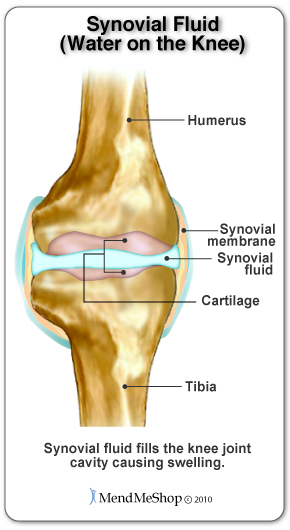 You will experience swelling either immediately if your blood vessels are disrupted because of a traumatic event, or within 12 hours after the tear occurs. Swelling over time or recurring is a result of synovial fluid filling the joint cavity, as your body tries to protect itself (this is often called "water on the knee"). Grinding, Popping, Clicking, or LockingThese symptoms can range from being annoying to downright painful and can last a few seconds or be persistent for a few weeks. Joint locking occurs when the fragment of torn meniscus does not work its way out of being lodged between your femur and tibia resulting in an inability to straighten or bend your knee. This can be painful and may cause weakness in the knee. You may have to manually move or manipulate your knee to get relief and you will feel a click or snap when it eventually unlocks. Stages of SymptomsThere tend to be 4 stages of symptoms dependent on the type of meniscus injury you experience.  If you have a minor tear you will often experience pain and slight swelling within the first 12 hours of noticing the discomfort. These symptoms often go away within a 2 - 3 week period. If you have a moderate tear you will often have pain near the location of your meniscus tear, especially when twisting or squatting. Swelling will generally increase over 2 - 3 days, as will your stiffness, which will result in a limited range of motion when bending your knee. Symptoms will eventually go away but will tend to recur with minor twisting or overuse. If you have a severe tear, pieces of torn meniscus can move into your joint space and lead to a locked knee that is very swollen, stiff and painful. These symptoms come on quite quickly. Bruising and swelling with severe pain within minutes of an injury, generally indicate a tear of your ligament as well as your meniscus. If you suffer from a degenerative tear, it may not have resulted from one specific incident, but rather wear and tear over the years. You also may not recall when or how your symptoms started, however it is often from a squatted position. Pain and minimal swelling are often the only signs you will experience, which last indefinitely. You may also have some knee grinding or catching, depending on the extent of the degeneration. Although your symptoms may disappear on their own, they often carry-on or return and eventually require treatment. If a meniscus tear goes untreated, the situation can lead to a complete tear and long-term damage. Should you seek medical attention?It is recommended that you see a physician with any continued discomfort and/or pain in your knee or you experience any of the symptoms below:
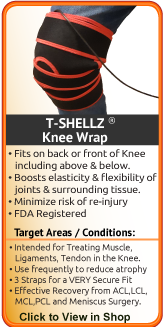
Meniscus Tear and Knee Pain TreatmentsIt is the blood in your body that heals and repairs damage to your tissue. By transporting oxygen and nutrients to the area and flushing away dead tissue, your blood helps your body to heal itself. Unfortunately, when a meniscus injury occurs and you have knee pain you need to prevent further injury and rest the area to allow it to heal. By resting, you actually limit the flow of blood and slow the healing process. The trick is to slow tissue damage, reduce scar tissue, and generate blood flow to speed healing and prevent further damage. Once inflammation and swelling have been reduced in your knee, nourishing and strengthening the tissue in your joint is the goal. Circulation Boost (Circulatory Boost) promotes blood flow to the treatment area bringing the necessary oxygen and nutrients to soft tissue. Increased blood flow helps the body's natural repair process with the goal being a decrease in pain and swelling, more flexible soft tissue and an overall quicker recovery. 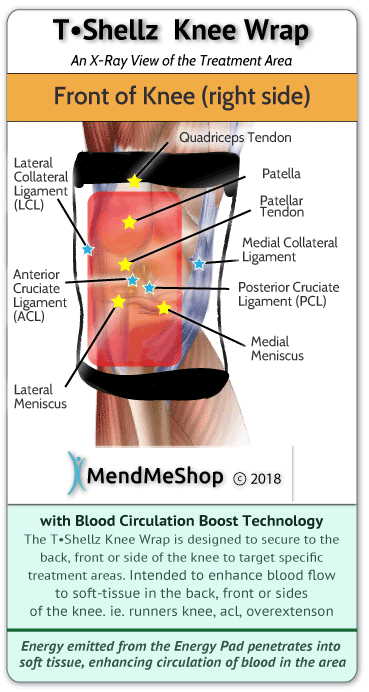 Remember, the meniscus is cartilage and does not receive much blood flow naturally and when you rest your knee, you are not creating the natural blood flow your knee usually receives. With the use of Circulation Boost you can increase your body's blood supply to the knee. In addition, the fresh blood flow whisks away dead tissue and toxins (including lactic acid, commonly found in trigger points) that have built up from the injury leaving the area clean and better prepared for healing. Our Knee TShellz Wrap® provides effective, non-invasive, non-addictive pain relief with no side effects. Keeping your knee as healthy and strong as possible throughout the healing process will allow you to get back to your regular activities faster. The Knee TShellz Wrap®, available exclusively from MendMeShop®, provides effective, non-invasive, non-addictive pain relief and healing with no side effects. The benefits of Circulatory Boost do not end once your knee pain stops! Even when your meniscus has healed, your activities can put your knee at risk of an overuse injury, tightness, or another tear. A TShellz Wrap® treatment before activity is an easy way to warm up the knee tissues and prepare them for use. Then, end your day with another treatment to prevent tightness from setting in overnight. During your recovery, you will probably have to modify and/or eliminate any activities that cause pain or discomfort in your knee area until your pain and inflammation settle. The more diligent you are with your treatment and rehabilitation, the faster you will see successful results. If you start using your knee before it has a chance to heal properly (even though it may feel better), you can end up doing a lot more damage than good! RehabPT is a beneficial way to help decrease pain in the soft tissues, restore atrophied muscles and improve knee and leg strength and mobility. The type of PT and the duration will be dependent on the extent of your meniscus injury. Gentle massage around the injured knee area or small flexing or extending knee movements (if not painful) will also help increase blood flow, oxygen, nutrients, and will prevent stiffness. 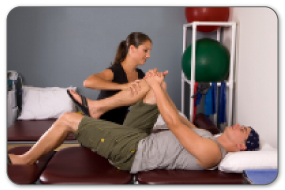 Once your pain starts to diminish, a physiotherapist will set up an individualized knee and leg strengthening and stretching exercise program for you to perform at home or in the gym. This will be based on your needs and abilities, and will help you return to performing your normal routines. Individuals will often exercise or lift weights on their own to try and build up their strength; however in doing so, they can do more damage. It is extremely important to strengthen your muscles properly, as they may have weakened during the period of non-use. A trained therapist will help to ensure your rehabilitation process is effective. For best, long-term results use PT along with an exercise program.
Product Advisors are available 9:00 am to 5:00 pm Eastern Standard Time Monday to Friday. Learn More About Knee Injuries & TreatmentsI want to learn more about post-surgery recovery. I want to learn all about common causes of knee pain. I want to learn more about TShellz Wrap® Circulatory Boost I want to learn more about Ice & Heat: Which Is Better For Treatment? I want to learn more about Knee Treatments. I want to learn more about Runners Knee. I want to learn more about Hoffas Syndrome. I want to learn more about Knee Arthritis. I want to learn more about Knee Trigger Points. FREE SHIPPING ON ALL PRODUCTS CURRENTLY ENABLED |
    |